
Women's Health5 min read
Why women's health deserves better digital experiences
Women rarely lack health information. What they lack is the right information at the right moment, and a qualified person to ask when it is not enough. That gap is a design problem worth solving.
By Luna Editorial Team
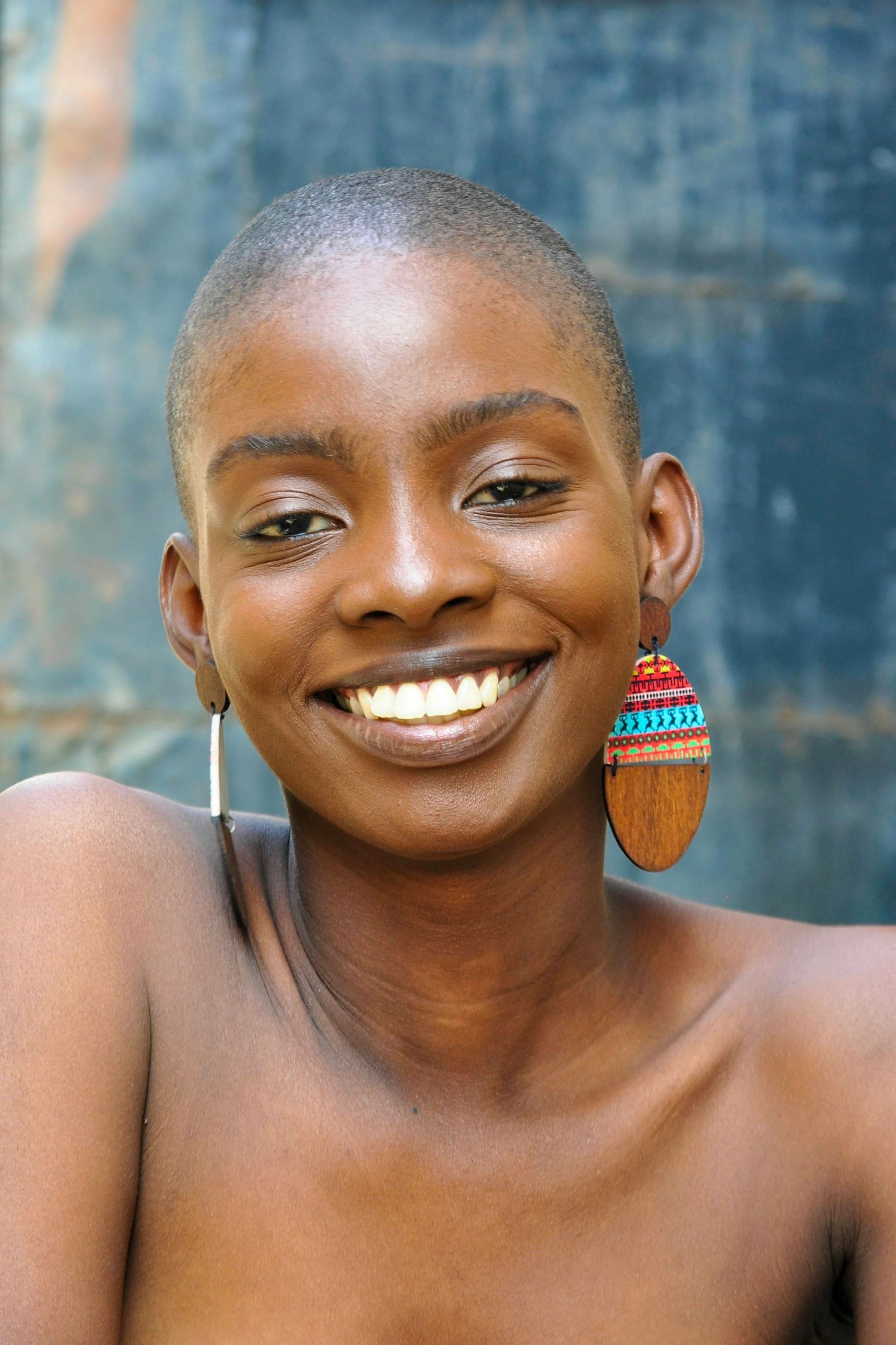
Ask a group of women where they first learned about periods, and the answers tend to be scattered. An older sister. A friend at school. A leaflet, a rumour, a late-night search. The same pattern often repeats years later with pregnancy, when advice arrives from every direction and much of it contradicts itself.
The problem is rarely a lack of information. There is more health content online than anyone could read. The problem is that it arrives in fragments, often at the wrong moment, with no easy way to check it against someone qualified. We think that gap, between information and timely, trustworthy support, is where digital products for women's health can do the most good.
The information gap starts early
The World Health Organization's fact sheet on menstrual health puts the scale of the gap in plain terms. Based on emerging national data, around two out of five schools provide menstrual health education. That leaves many girls to meet their first period without having been told what to expect.
The same fact sheet notes that more than two out of three women and girls experience pain with menstrual bleeding. For something so common, it is striking how often people are left to work out on their own what is typical for them and what is worth discussing with a professional.
In 2022, WHO called for menstrual health to be recognised, framed and addressed as a health and human rights issue, not a hygiene issue. Part of its definition of menstrual health is that people who menstruate have access to information and education about it. That is a useful standard for any product in this space. It asks whether people come away understanding their own bodies better, not just whether they logged a date.
Pregnancy raises the stakes
During pregnancy, the cost of a missed question rises. WHO estimates that about 260,000 women died during and following pregnancy and childbirth in 2023, and that most maternal deaths are preventable because the ways to prevent or manage complications are well known. Roughly 92% of those deaths occurred in low and lower-middle-income countries.
No app prevents a maternal death on its own, and we are wary of any product that implies otherwise. Care is delivered by midwives, nurses, doctors and the health systems around them. What digital tools can do is help women stay connected to that care, understand what is happening at each stage, and recognise when to seek help.
WHO's antenatal care guidance points in the same direction. In 2016 it increased the recommended number of contacts a pregnant woman has with health providers from four to eight, and stated that pregnancy should be a positive experience for all women, with care that respects their dignity. Between those contacts there are weeks of questions. Good digital design can make those weeks feel less uncertain, and make the next contact more useful.
Tracking alone is not enough
Most period and pregnancy apps start with tracking, and for good reason. Recording cycles, moods and symptoms helps people notice patterns they would otherwise miss.
But tracking on its own can leave people with more questions than answers. A chart can show that a cycle was longer than usual. It cannot tell someone whether that matters for them, and it should not try to diagnose. The useful next step is context, and sometimes a conversation with a qualified professional.
We think a better experience in women's health has a few connected parts.
- Tracking that is simple enough to keep up with, and honest about the limits of its predictions.
- Education that arrives when it is relevant, in formats people actually use, from a short video to a longer article.
- A clear route to a qualified person when information is not enough.
- Support that continues after that first conversation, so people are not left to start again from nothing.
Designing for real lives
Access is part of the design problem too. The GSMA's Mobile Gender Gap Report 2025 found that women in low and middle-income countries are 14% less likely than men to use mobile internet, with a gap of 29% in sub-Saharan Africa. It names literacy and digital skills, and the cost of internet-enabled handsets, among the top barriers.
For anyone building women's health products, those numbers are design constraints, not background. They argue for plain language, light pages that load on modest connections, and content that respects people's time. They also argue for humility. A product that only works well for women with the newest phones and the fastest data is not a women's health product. It is a product for some women.
Tone matters as much as technology. Women's health covers topics that many people find awkward to raise, even with friends. A product that speaks plainly, without judgement and without alarm, makes it easier to ask the question in the first place.
Where Obaa+ fits
This is the thinking behind Obaa+, the women's health app Luna is building. It brings together menstrual health tracking, pregnancy tracking with week-by-week educational information, and an Edu Hub of articles and short videos. Alongside these, it offers a route to structured consultations with certified midwives, with follow-up support where available.
Obaa+ is still in development, and we want the women it is meant to serve to shape it. It is not a replacement for clinical care. It is meant to help women understand their health, keep track of what matters to them, and reach a qualified person when they need one.
If that is the kind of support you would want, you can join the Obaa+ waitlist and follow its progress as we build.
Keep reading
Product & Technology5 min read
Designing health technology people can trust
In women's health, trust depends less on how an app looks than on what it does with what people tell it. Here is how we think about data, uncertainty and the moment someone needs a professional.
Perspectives5 min read
What human-centred really means in healthcare technology
Product teams talk about users. Health systems talk about people and communities. Healthcare technology only works when it takes both seriously, and that changes who sits at the design table.
Healthcare Innovation5 min read
Why digital maternal care should be built around midwives
The evidence on what midwives can achieve is strong, and the world is short of them. Digital tools should be designed to extend their reach and support their work, not to work around them.